




Description
ESPKnack – ESP32-C6 IoT Wi-Fi LoRa SX1262 Galvanically Isolated Interfaces RS485 RTC
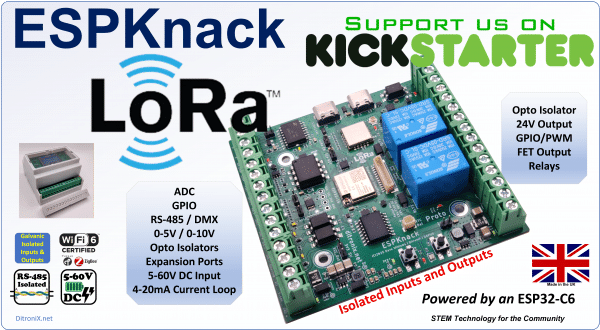
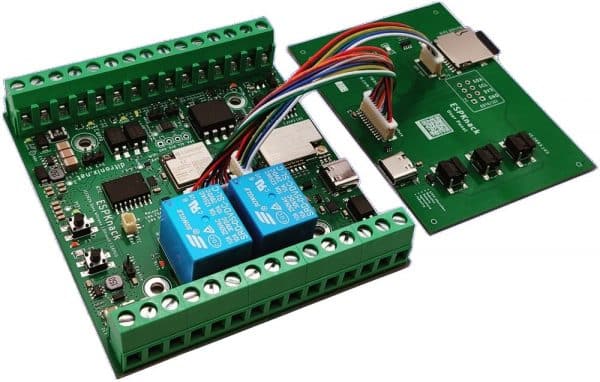
ESPKnack – Ideal STEM Learning Development Kit, or fully fledged project for the home, industry or commercial installations.
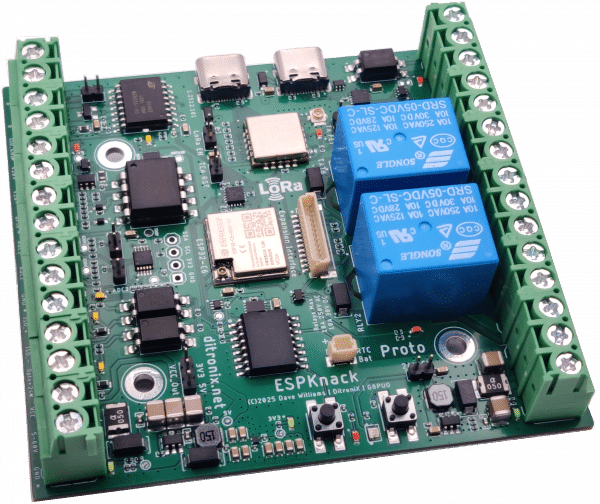
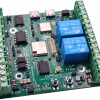
The ESPKnack has been designed to project versatility, from a bench STEM learning board, LoRa Dev Board, or a complete fully kitted LoRa project.
Galvanic Isolation on both Inputs and Outputs, with multiple interfaces and expansion options.
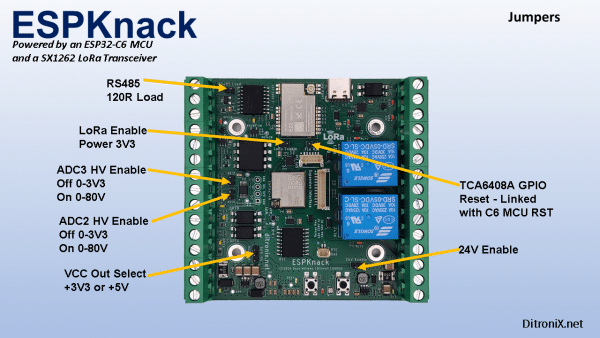
You have the option to easily disable the LoRa device, so using this ESPKnack just on WiFi, Bluetooth, Zigbee or Thread.
The options are left to your imagination, with this super ESPKnack.
What is ESPKnack?
Following in the success of the ESPRanger, coupled with user and backer feedback to further expand features and capabilities in other projects, this has culminated in the ESPKnack.
What I have done in ESPKnack, is to take the core of ESPuno Pi Zero with ESPRanger, and couple in, or fused, essentially Galvanic Isolation for inputs and outputs.
The below video is a preview of the ESPKnack using a concept board with ESPRanger. A more detailed video will follow using the ESPKnack Beta Board as part of lab testing.
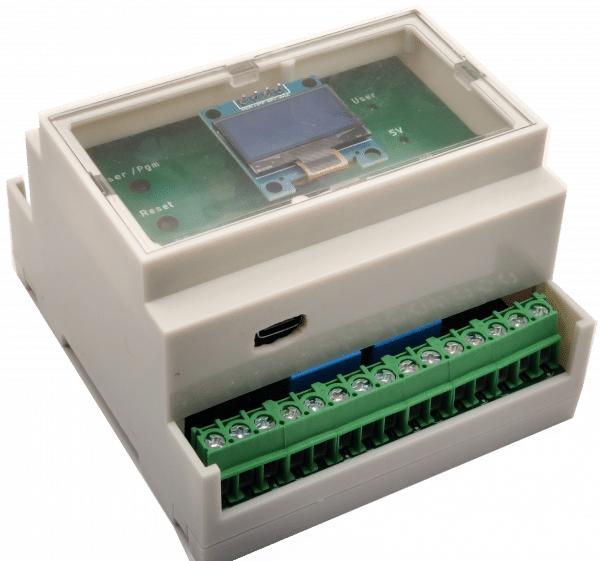
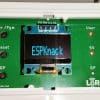
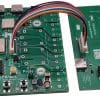
The ESPKnack will be the main board, together with optional Panel display board and DIN enclosure.
The ESPKnack can also be used as a standard ESP32-C6 based interface board (without LoRa), simply by not adding the LoRa enable jumper. This give you a great all around interfacing board, using the ESP Wi-Fi, Bluetooth, Thread or ZigBee communications.
Overview of Features
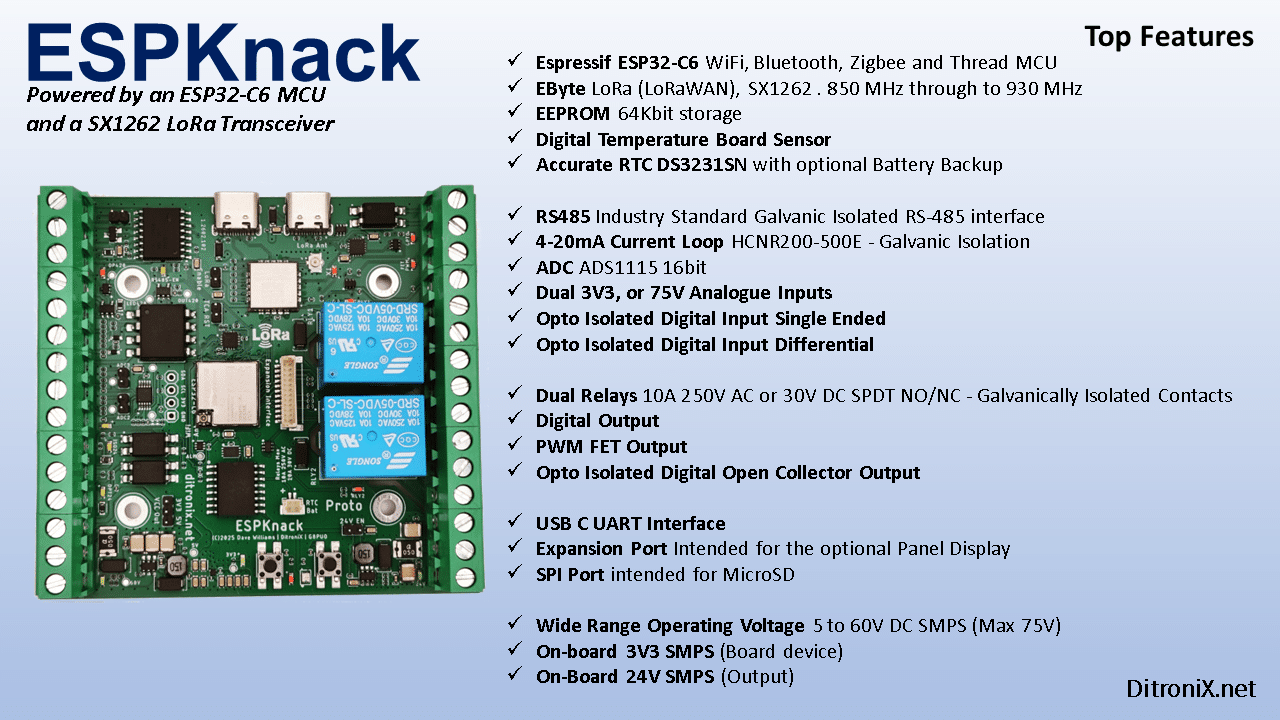
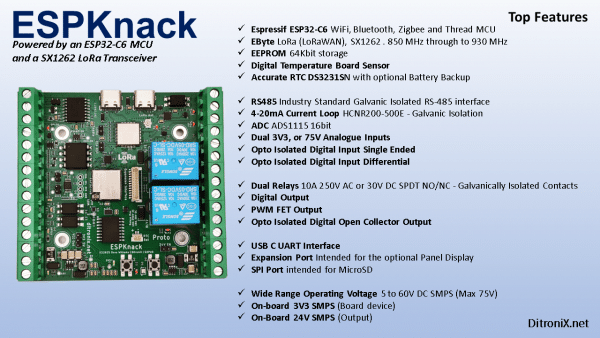
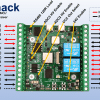
- LoRa (LoRaWAN) SX1262 Module (868MHz through to 915MHz)
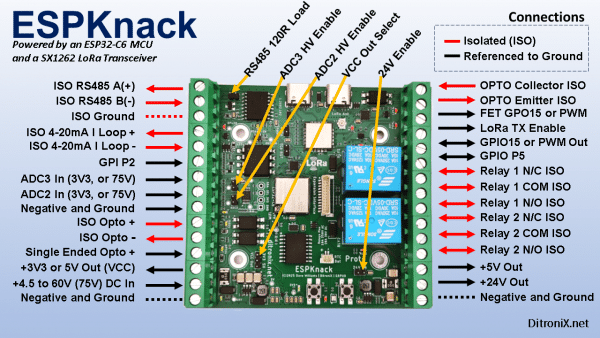
- Galvanic Isolated Inputs
- Industry Standard RS-485 (or DMX)
- 4-20mA Current Loop
- Digital and Analogue Inputs
- Galvanic Isolated Outputs
- Dual Relay (with NC/NO Contacts)
- Digital or PWM
- ADS1115 ADC 16bit
- DS3231SN Accurate RTC (with optional Battery Backup)
- 64Kbit EEPROM
- 5-60V DC Power Input SMPS (Wide Operating Voltage)
- Digital Temperature Board Sensor
- Type C Interfaces (UART and MCU)
- Expansion Ports
Devices
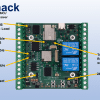
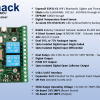
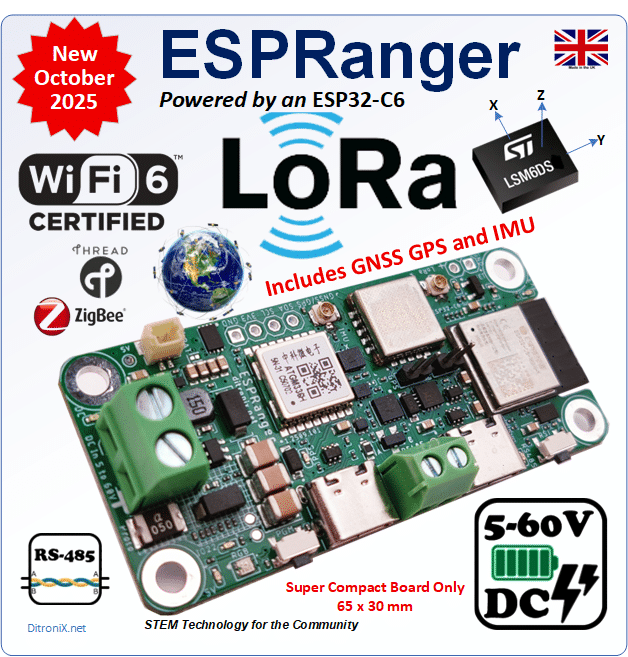
The ESPRanger, provides a very compact board which includes the below main features:
- Espressif ESP32-C6 U.FL
- WiFi, Bluetooth, Zigbee and Thread
- EByte E22-900MM22S
- LoRa (LoRaWAN), SX1262 module for 868MHz through to 915MHz
- Chipanalog CA-IS2092
- Industry Standard Galvanic Isolated RS-485 interface
- RTC DS3231SN
- Accurate RTC (with optional Battery Backup)
- 4-20mA Current Loop
- HCNR200-500E – Galvanic Isolation
- ADC ADS1115
- 16bit 4 Channels (Useable 3)
- TI TMP102
- Digital Temperature Board Sensor
- FET 2N7002DW
- PWM/GPIO Output Galvanic Isolation
- Relays SRD-05VDC-SL-CC
- 10A 250VAC or 10A 30V DC SPDT – NO/NC – Galvanically Isolated Contacts
- Siproin SSP9481
- 5 to 60V DC SMPS for wide ranging power input, providing a stable 5V
- OnSemi NCP167BMX330
- 5V to 3V3 DC SMPS
- EEPROM P24C64C
- 64Kbit storage.
Interfaces
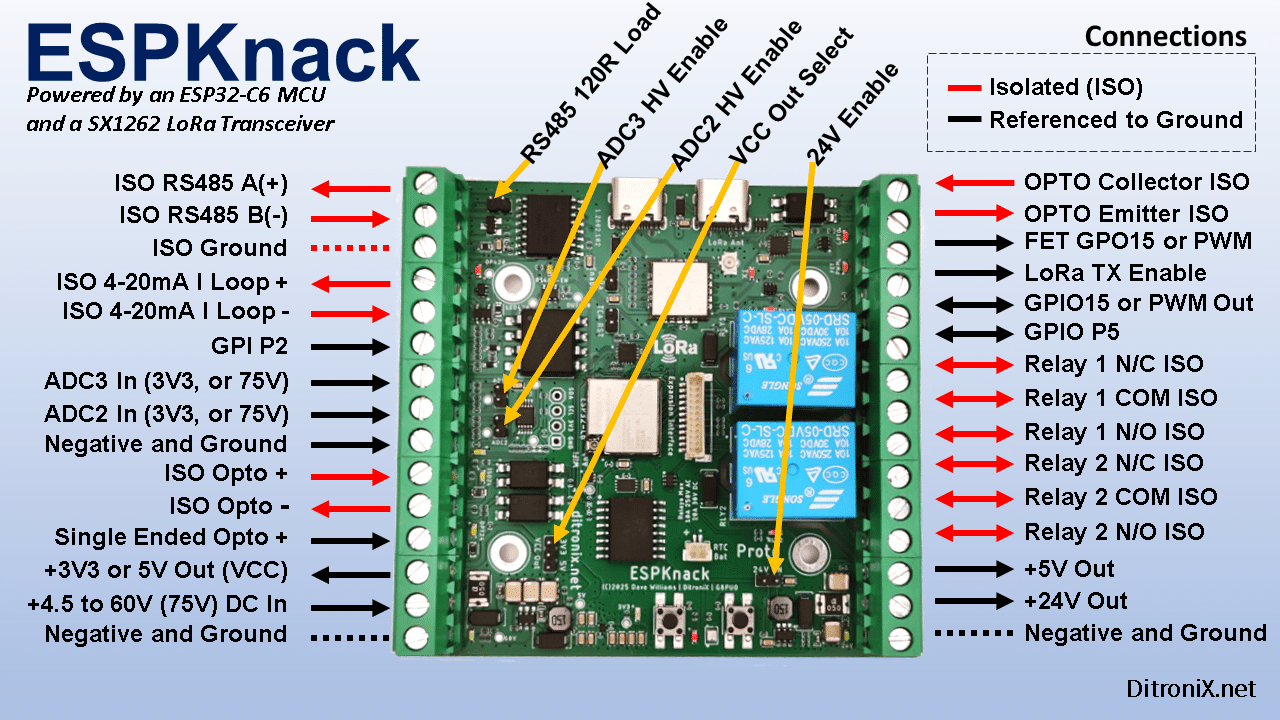
Where can ESPKnack be used?
The ESPKnack board can be used in a wide range of projects and installations such as:
- Agriculture
- Automation
- Commercial
- Emergency Response
- Factories
- Farms
- Greenhouses
- Homes
- Industry
- Livestock Monitoring
- Makers
- Off Grid Systems
- Robotics
- Scientific Research
- Security
- Shipping
- Smart systems
- Solar Farms
- STEM Education
- Surveillance
- Wind Farms
LoRa and LoRaWAN
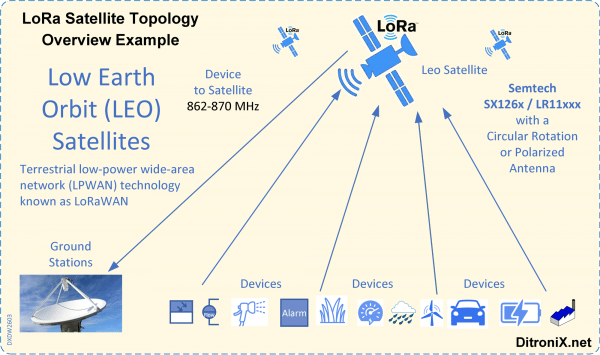
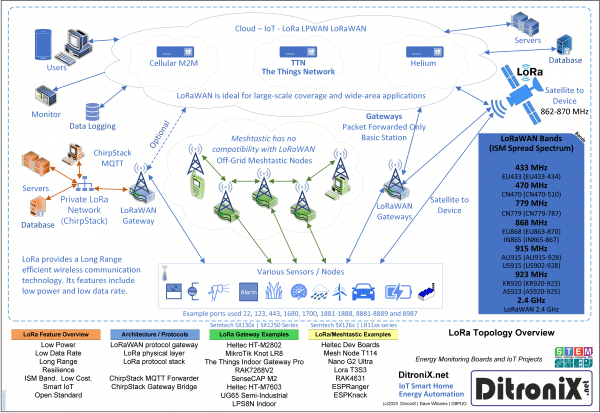
The main focus of the ESPKnack board was sensor flexibility and the ability to send this data to the outside world. LoRa provides a Long Range wireless communication technology.
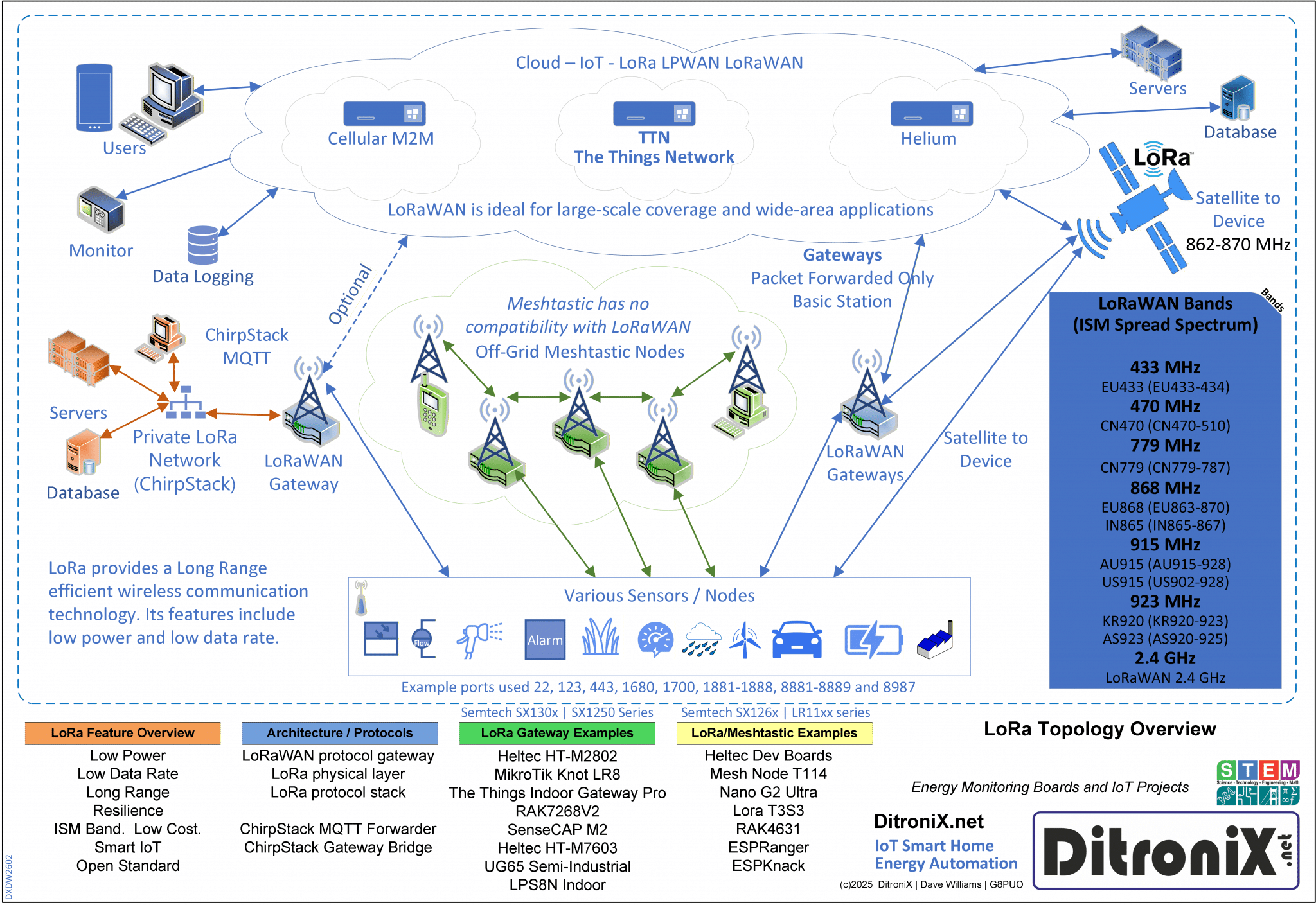
The ESPKnack includes an EByte E22-900MM22S LoRa module, with Semtech SX1262. This module covers 850 to 930MHz, so allowing the ESPKnack to work in many countries around the World.
Example bands:
- AS923 (AS1) band (920-923 MHz) in Japan, Malaysia, Singapore
- AS923 (AS2) band (915–928 MHz) in Asia
- AU915 band (915–928 MHz) in South America
- CN779 band (779-787 MHz) in China
- EU868 band (863–870 MHz) in Europe
- IN865 band (865-867 MHz) in India
- KR920 band (920-923 MHz) in Korea
- RU864 band (864-870 MHz) in Russia
- US915 band (902–928 MHz) in North America
LoRa networks supported include TTN, Helium, SkyNet, Meshtastic, MeshCore and ChirpStack.
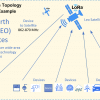
LoRa Local Networks
A LoRa network can be local and self contained. This includes ‘private’ networks for company or farm usage. Examples are:
- ChirpStack (Open-source LoRaWAN)
- Meshtastic (Open source, Off-grid, Decentralized, Mesh network)
- MeshCore (Open source, Multi Platform System)
ChirpStack is an open-source LoRaWAN Network Server, providing a private network. or an integrated network with the wider LoRaWAN such as TTN.
Meshtastic provides a way to connect nodes and propagate messages across an off-gride network.
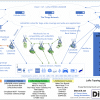
Coverage Examples:
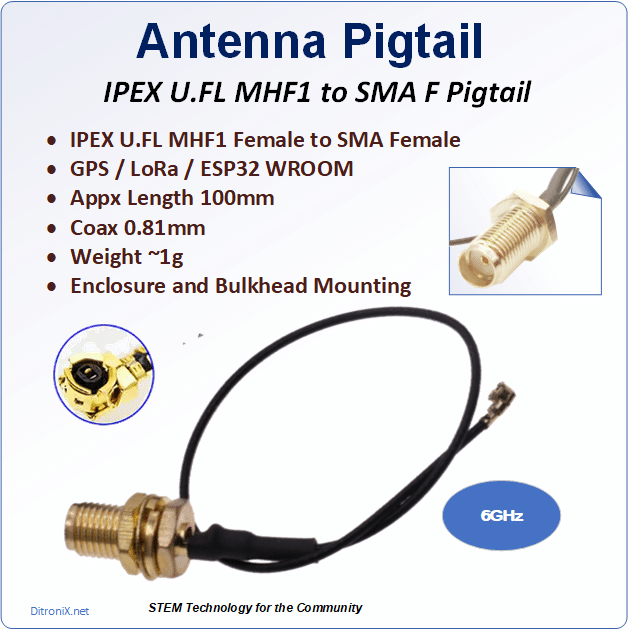
An U.FL antenna connector is provided to allow internal or external antennas to be fitted.
Radio
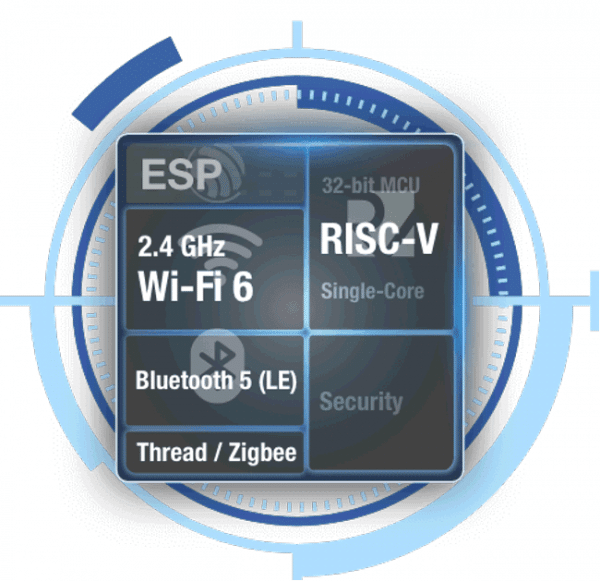
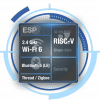
ESPKnack main MCU is the ESP32-C6 which includes a powerful radio module, opening up a range of IoT applications that include:

Wi-Fi 6
- 2.4 GHz (2400 ~ 2483.5 MHz)
- 802.11ax (20 MHz bandwidth)
- 802.11b/g/n (20/40 MHz bandwidth)
- CE Max EIRP 19.81 dBm
Bluetooth
- 2.4 GHz (2400 ~ 2483.5 MHz)
- Bluetooth LE
- Bluetooth 5.3
- Bluetooth Mesh
- CE Max EIRP 18.46 dBm
Thread 1.4
- 2.4 GHz (2405 ~ 2480 MHz)
- 802.15.4
- Thread Mesh
- CE Max EIRP 10.29 dBm
Zigbee 3.0
- 2.4 GHz (2405 ~ 2480 MHz)
- 802.15.4
- Zigbee Mesh
- CE Max EIRP 10.40 dBm
Zigbee and mesh are expanding in an range of home, farming and industrial applications, so will be interested to see how this develops over time.
Options
A range of options are available for ESPKnack:
- ESPKnack Display Board
- DIN Enclosure
These will be listed to purchase.
Further Information
A range of information, Project Updates, Code and Wiki pages, can be found on the ESPKnack GitHub
 GitHub/DitroniX
 X.com/DitroniX
 YouTube.com/@DitroniX
 LinkedIn.com/in/g8puo/
 hackster.io/DitroniX
 Kickstarter
 Instagram.com/DitroniX.iot
Reviews
There are no reviews yet.